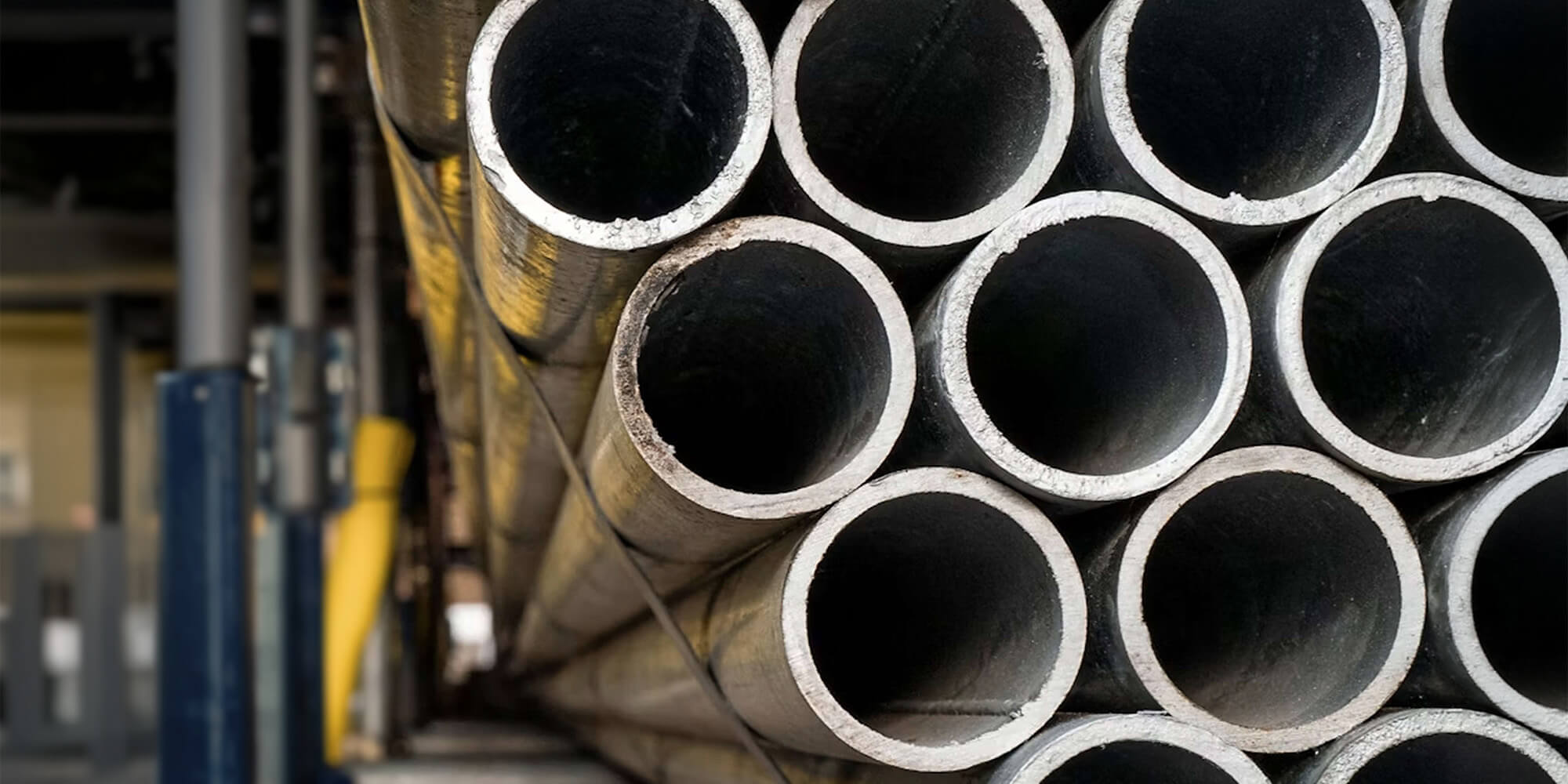
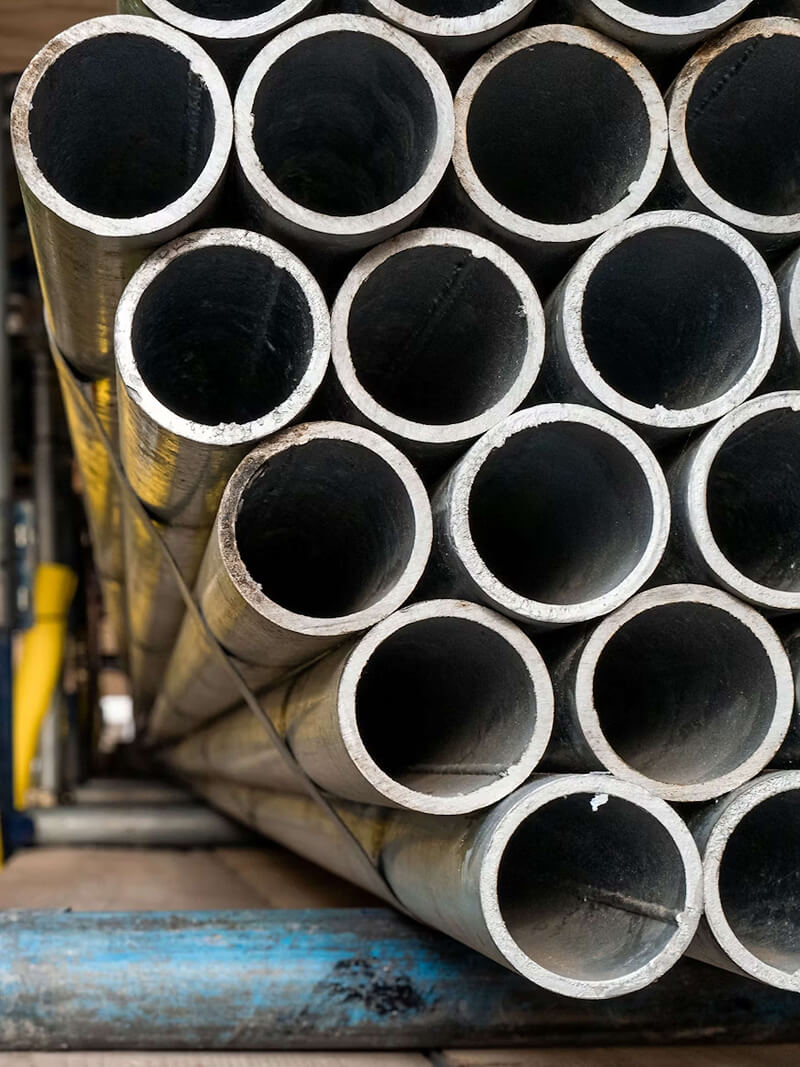
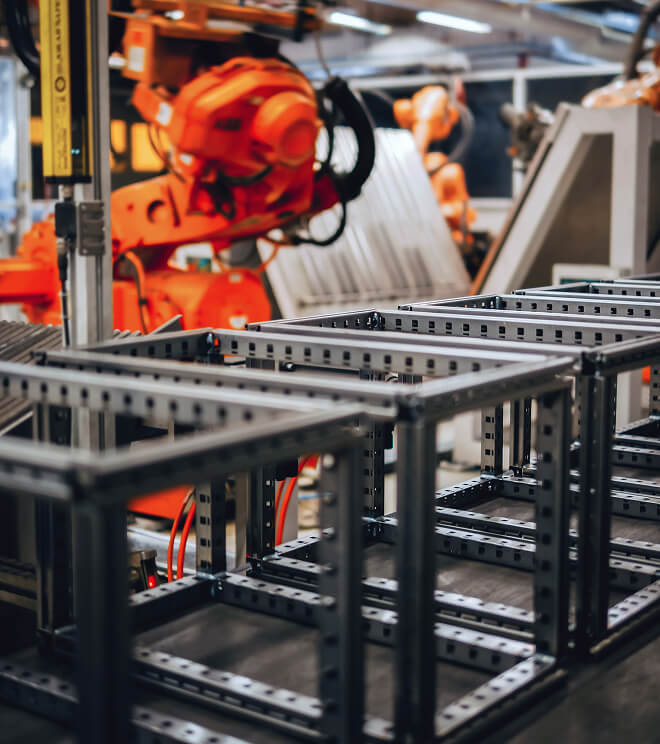
A stack of hollow steel pipes neatly arranged in an industrial warehouse.
 

Materials

Product materials are selected based on lightness and durability

“According to our life cycle analysis, our biggest contribution to the environment, is that we work with the lightest materials available. This limits the impact that our solutions have on the environment as much as possible throughout the life of the vehicle.”

David Mickelson, CEO of Modul-System

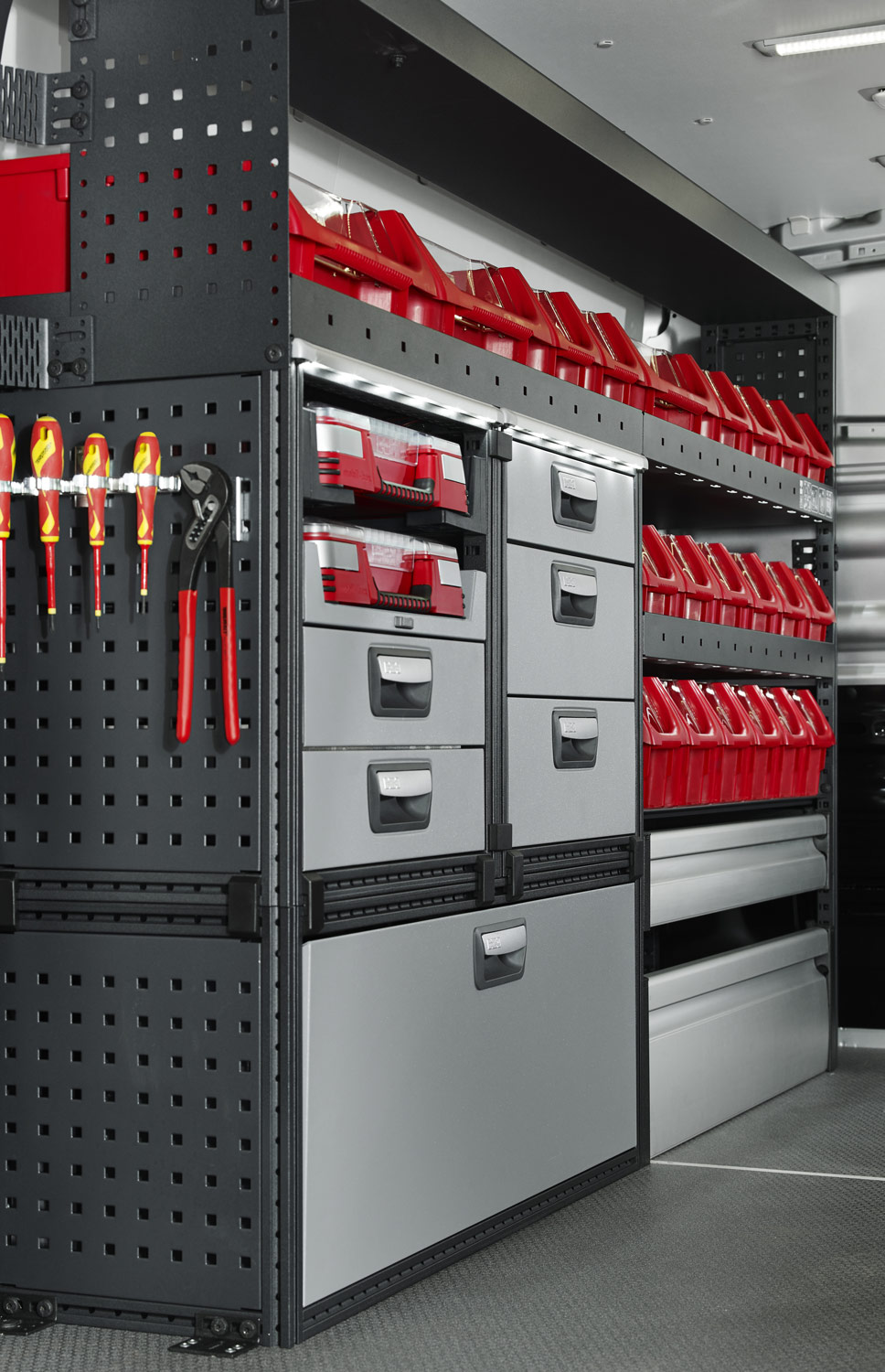
Example of modul-system van racking with drawers, storage boxes and shelving

Focus: Weight & durability

Lighter, stronger, recyclable

Our choice of materials has always focused on two key aspects: weight and durability. For over a decade we have been utilising materials that meet these two criteria, acting as a base for further improvements to our sustainability.

We design products with their full lifecycle in mind, as such we utilise recycled or partially recycled materials wherever possible, and make sure that they are recyclable once they have fulfilled their purpose, thus creating a continuous cycle, reducing the need for production of brand new materials and products.

The right materials allow us to innovate

By carefully selecting the right materials for our products, we can continue to reduce our environmental impact without needing to compromise on quality.

“We always focus on long-term durability. A product that lasts a long time is one of the most important sustainability factors.”

Anders Carlsson, Technical Director of Modul-System

Ultra-high-strength steel

Since 2004, we have been dedicated to reducing the weight of our products, recognising that lighter constructions are essential to both lowering CO₂ emissions during vehicle use and reducing strain for our production and workshop staff.

This commitment led us to introduce high-strength steel in 2004, followed by ultra-high-strength steel in 2013 – breakthroughs that have enabled us to reduce our steel consumption by approx. 450 tonnes per year and create constructions up to 40% lighter without compromising product integrity. Today, weight remains a fundamental consideration in all our development projects. By constantly refining our materials and methods, we ensure that every product we deliver contributes to a more efficient and responsible industry.

Recycled materials

In 2022, we began integrating recycled materials into our products, and we continue to transition towards fully or partially recycled alternatives wherever possible, without compromising performance. This shift marks a significant step towards more sustainable and resource-efficient production, allowing us to lower our environmental footprint while supporting a circular approach to manufacturing.

Fossil-free steel

The majority of the steel we use to manufacture our products is produced by SSAB, who are aiming to be the first to manufacture fossil-free steel. By 2029, we aim to introduce fossil-free steel as a premium option within our product range.

While this transition represents a higher investment, it offers a powerful, environmentally responsible alternative for those seeking to significantly reduce their carbon footprint. By offering this as an elective choice, we allow for a gradual and thoughtful transition towards fossil-free materials.