



Our journey

Llightweight engineering and high-strength steel
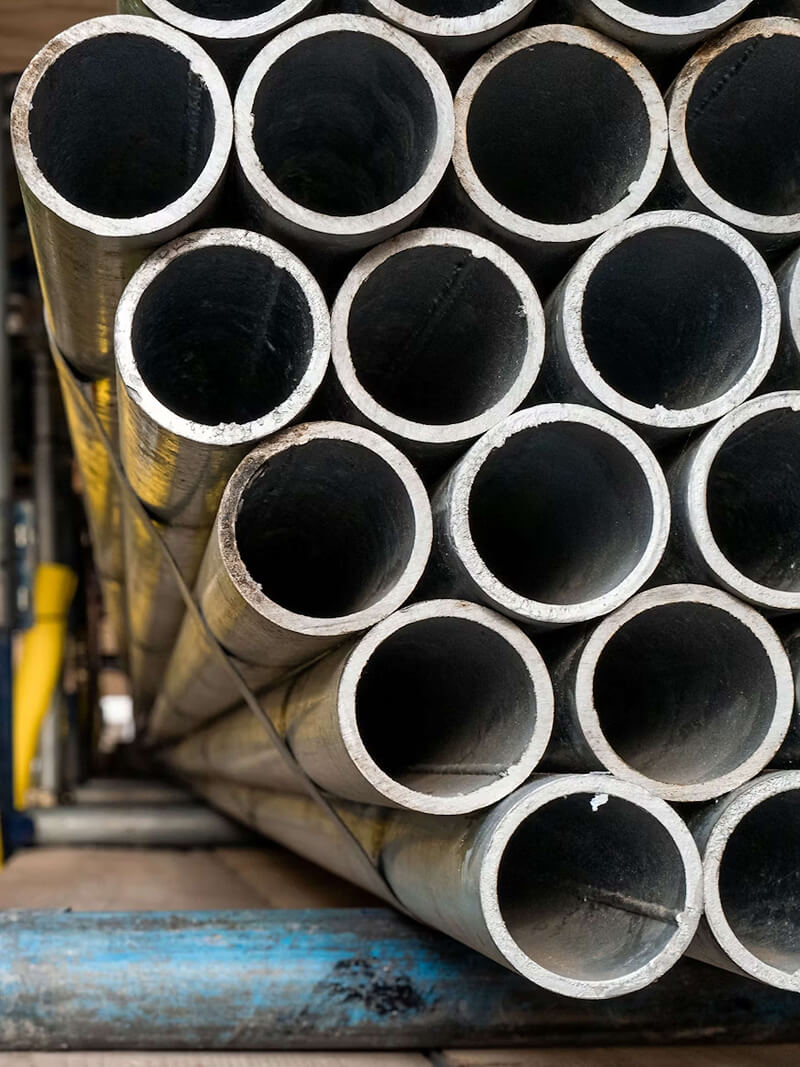
Introduced high-strength steel to reduce product weight and lower vehicle CO₂ emissions.
We integrated high-strength steel into our production lines to enable lightweight vehicle design. By minimizing material weight without sacrificing structural integrity, we significantly cut operational CO₂ emissions during vehicle use.
We integrated high-strength steel into our production lines to enable lightweight vehicle design. By minimizing material weight without sacrificing structural integrity, we significantly cut operational CO₂ emissions during vehicle use.

Iso 14001 environmental management
Implemented ISO 14001 certification to drive systematic carbon footprint reduction.
To embed environmental responsibility across all operations, we achieved ISO 14001 certification. This framework drives continuous improvement, rigorous environmental compliance, and measurable carbon footprint reductions.
Key Benefits:
To embed environmental responsibility across all operations, we achieved ISO 14001 certification. This framework drives continuous improvement, rigorous environmental compliance, and measurable carbon footprint reductions.
Key Benefits:
- Systematic reduction of operational environmental impacts
- Standardized frameworks for continuous process optimization

Ultra-high-strength steel innovation
Adopted ultra-high-strength steel, achieving up to 40% weight reduction in component design.
Innovation accelerated with the introduction of ultra-high-strength steel, allowing us to engineer components up to 40% lighter. Weight reduction became a mandatory performance metric across all engineering specifications.
Key Benefits:
Innovation accelerated with the introduction of ultra-high-strength steel, allowing us to engineer components up to 40% lighter. Weight reduction became a mandatory performance metric across all engineering specifications.
Key Benefits:
- Up to 40% lighter product weight
- Substantially lower vehicle emissions during operation
- Strict lightweight criteria integrated into all R&D projects

Renewable energy and climate-neutral factory
Transitioned factory operations to 100% renewable energy for low-carbon production.
We switched our main manufacturing facilities to 100% renewable energy sources. This milestone established near-climate-neutral production, with fossil fuels limited to a minor gas fraction in our paint shop line.
We switched our main manufacturing facilities to 100% renewable energy sources. This milestone established near-climate-neutral production, with fossil fuels limited to a minor gas fraction in our paint shop line.

Energy efficiency and smart led lighting
Reduced factory energy consumption by 27% through facility-wide LED upgrades.
We upgraded our entire production and logistics footprint to smart LED lighting. This simple, effective eco-efficiency measure cut total energy consumption by 27% while halving the required lighting fixtures in our warehouses.
We upgraded our entire production and logistics footprint to smart LED lighting. This simple, effective eco-efficiency measure cut total energy consumption by 27% while halving the required lighting fixtures in our warehouses.

Circular economy and recycled materials
Began integrating recycled materials across product lines to advance circular manufacturing.
As an important step toward resource-efficient production, we began integrating partly and fully recycled materials into our products. This transition supports a circular supply chain and reduces our environmental footprint without compromising structural performance.
Key Benefits:
As an important step toward resource-efficient production, we began integrating partly and fully recycled materials into our products. This transition supports a circular supply chain and reduces our environmental footprint without compromising structural performance.
Key Benefits:
- Lower consumption of virgin resources
- Enhanced supply chain circularity

Supply chain emissions transparency (scope 3)
Implemented upstream and downstream transport CO₂ tracking for supply chain visibility.
We expanded our carbon accounting to track Scope 3 emissions across both upstream transport to our facility and downstream logistics to end customers.
We expanded our carbon accounting to track Scope 3 emissions across both upstream transport to our facility and downstream logistics to end customers.

Advanced scrap and material recycling
Partnered with top Nordic recycling facilities to optimize industrial waste recovery.
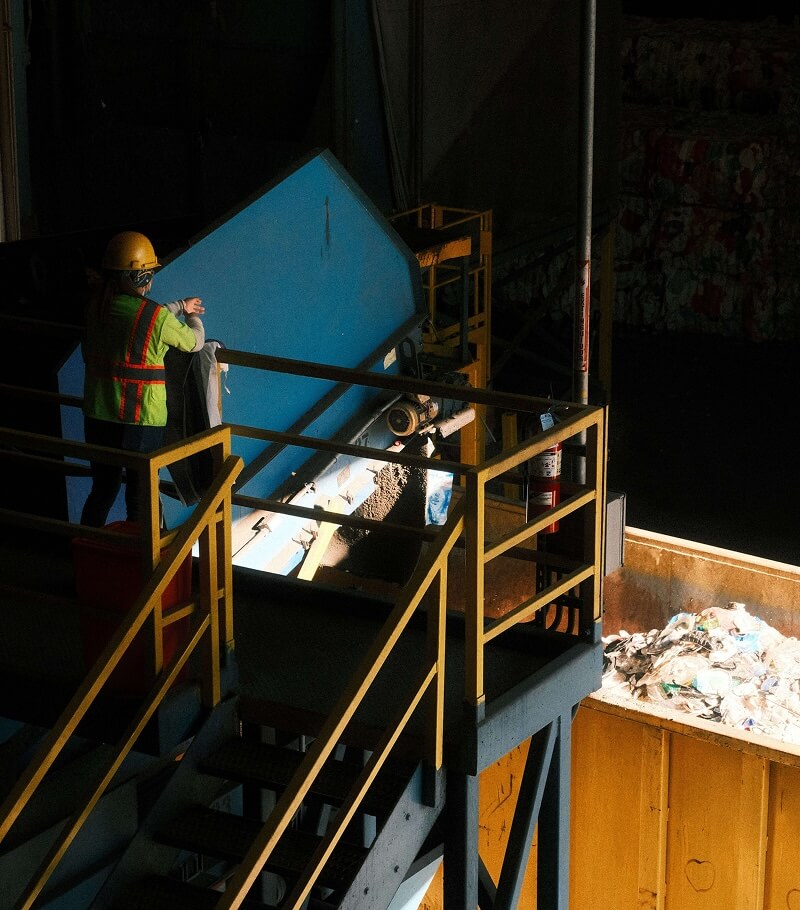
We upgraded our waste management partnerships to work with one of the most technologically advanced recycling facilities in the Nordics, maximizing material recovery rates and circular output.
We upgraded our waste management partnerships to work with one of the most technologically advanced recycling facilities in the Nordics, maximizing material recovery rates and circular output.

Product level CO₂e carbon accounting
Calculating exact CO₂e footprints per product across material, production, and transport data.
Utilizing full lifecycle data—spanning raw materials, factory energy, and freight logistics—we now calculate the exact CO₂e footprint per product. We empower our customers with verified product carbon footprint (PCF) data directly on quotations and order confirmations.
Utilizing full lifecycle data—spanning raw materials, factory energy, and freight logistics—we now calculate the exact CO₂e footprint per product. We empower our customers with verified product carbon footprint (PCF) data directly on quotations and order confirmations.
What can we do for you?
Contact our team today to learn how our customised from factory product range will work for you.
